Change
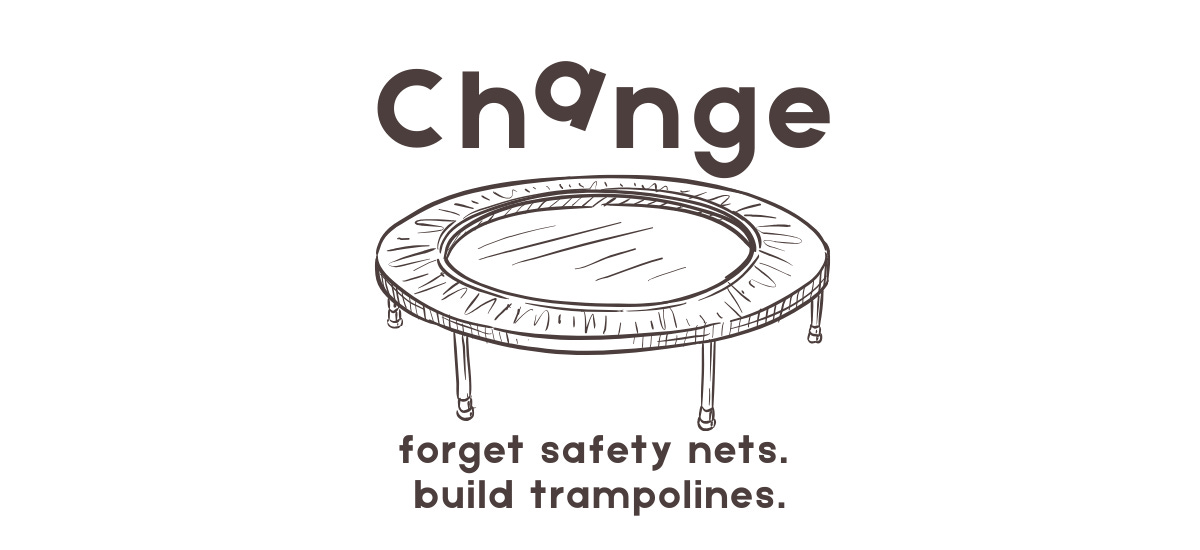
Forget Safety Nets. Build Trampolines.

Something is happening inside big companies right now. They’re mistaking efficiency for progress. Cuts. Hiring freezes. Endless meetings. Looks disciplined on top, but underneath? Pure stagnation.
The biggest companies in the world aren’t being killed by competitors. They aren’t even being killed by AI. They’re being killed by comfort and the absence of vision, and the ability to execute against it.
Think of it like the human body:
Too much dopamine and you burn out.
Too much serotonin and you rust out.
The same is true for business.
Legacy companies are serotonin-heavy. Safety. Stability. Hierarchy. They were built for a slower world where people stayed for decades, where predictability felt like progress. Serotonin worked when business moved at the speed of memos and quarterly reports.
But today, people don’t stay for the pension. They stay for a purpose. They want novelty, the spark of movement, the sense of connection that makes work feel like more than just work. Which is why startups feel magnetic.
Startups, on the other hand, are dopamine-drunk. Everything is novelty. Everything is a pivot. Every idea gets a shot until the team burns out or the runway runs out. Thrilling, yes. But unsustainable. One rusts. The other burns. Neither lasts.
The chemistry of change
Change isn’t magic. It has a formula. Organisational theorists Richard Beckhard and David Gleicher, later refined by Kathie Dannemiller, captured it in what’s known as the Beckhard-Harris Formula for Change:
D × V × F > R
Dissatisfaction with the present.
A Vision of what’s possible.
First concrete steps forward.
If the product of those three is greater than the Resistance, change happens.
Simple. But not easy. Most leaders focus on vision. Some even nail the first steps. But they forget dissatisfaction, the emotional fuel that makes people want change in the first place.
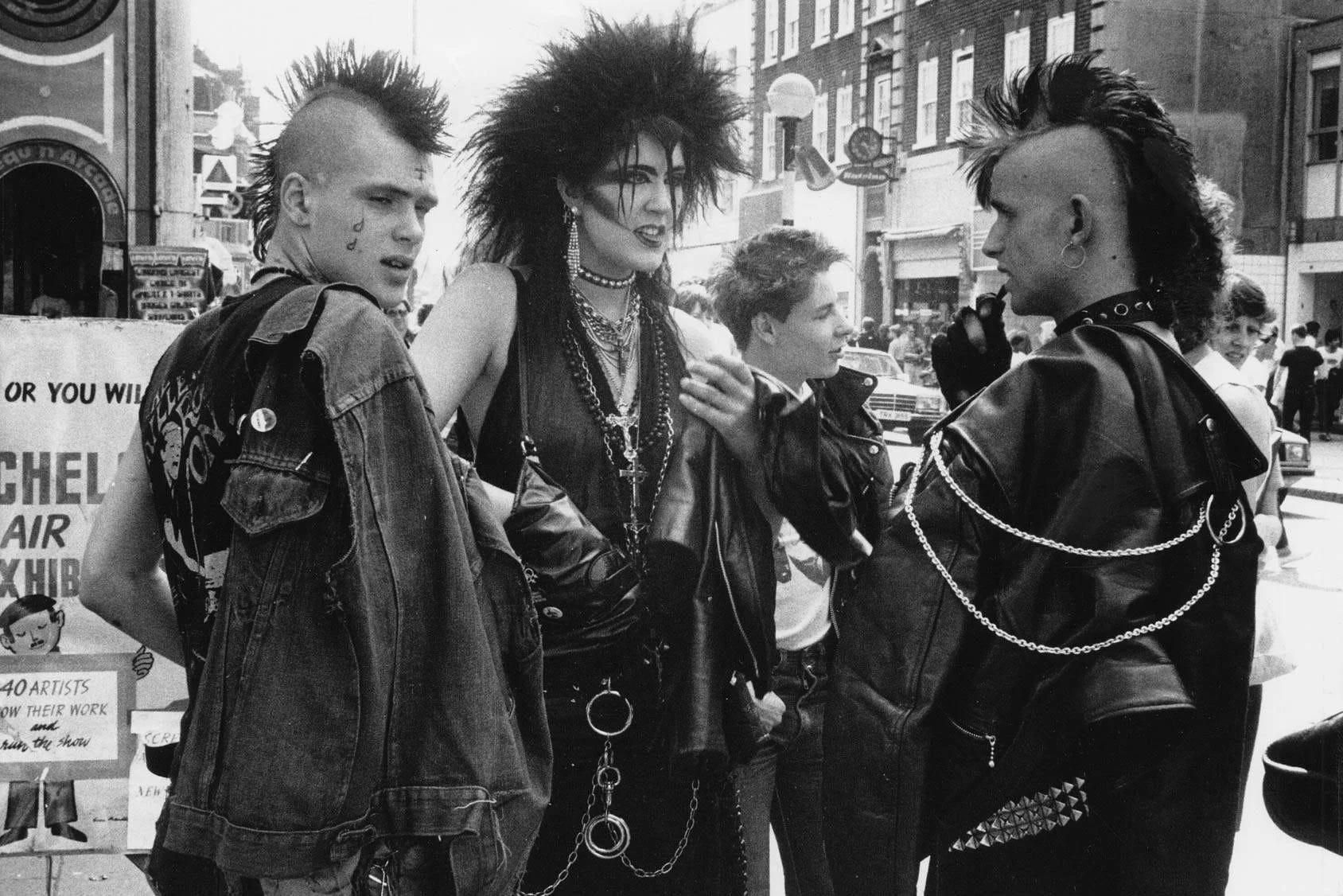
We’ve seen this in music. Punk wasn’t just a genre; it was dissatisfaction turned into vision. Cheap guitars, garage shows, and DIY music were the first steps. The resistance was huge. But the formula held, and punk didn’t just survive. It rewrote culture.
Business works the same way. Think Apple: dopamine in the risks they took, serotonin in the design consistency that built trust. That balance became their formula for change.
Dopamine fuels the spark: the dissatisfaction, the leap into the unknown.
Serotonin sustains the journey: the first steps, the trust, the consistency to see it through.
Change without stability collapses. Stability without change fades. The real power comes when both work together.
Your people are the brand
Change is your secret fuel. People don’t just want to do work; they want to be part of change. They want to feel like they’re shaping history, not just filling hours.
Teams gather around ideas that will change things. And when a team truly understands the change it’s making, even when the odds are stacked against it, it’s almost impossible to stop.
That’s why the strongest companies aren’t filled with cogs. Nobody wants to be a replaceable part of a faceless machine. People want to feel like they’re the whole thing, accountable, connected to the work and the outcome, win or lose.

It’s not about knowing all the answers either. The best cultures encourage people to walk in dumb each day, curious, open, ready to push. Change is sustained not by pretending to be perfect, but by staying alive to what’s possible.
Gallup estimates companies lose $8.8 trillion in productivity globally each year from employees who feel like cogs. That’s the cost of work without change. The opposite? Teams that feel ownership don’t just execute, they evangelize.
The trap of repetition
Here’s where most companies fail: they find something that works and they repeat it. At first, repetition feels safe. Predictable. Efficient. But comfort is a slow killer.
Repetition breeds irrelevance. It’s the business equivalent of freewheeling downhill. You can enjoy the breeze while it lasts, but the hill always flattens. And when it does, momentum is gone.
The companies that endure know this. They don’t coast, even when things are easy. They keep pedaling, pushing, experimenting, reinventing. Not because the road is hard today, but because they know the next climb is coming.
Reputation isn’t a trophy you win once. It’s something you remake every single day. Tomorrow’s trust has to be earned again.
The future
Ditch safety nets, they catch falls but kill bounces. Skip pure thrill rides, they're fun till the crash. The winners? Trampolines: Absorb shocks, launch you higher.
That's dopamine and serotonin in harmony, courage to jump, trust to rebound.
How to build one, Starting small:
Gauge dissatisfaction: Anonymous surveys quarterly, what's grinding gears?
Craft vision with input: Co-create roadmaps in cross-team hacks.
Test first steps: Pilot "trampoline projects" safe experiments with real stakes.
Measure bounce: Track engagement and innovation metrics, adjust on the fly.